
Can you tell us a little about yourself?
Olga: I’m an architectural engineer, and joined TU Delft six years ago after completing my PhD. I work full-time as an assistant professor and co-lead the Circular Built Environment Hub. My work combines architectural research and education, and I really enjoy bringing those two worlds together. Collaboration is at the heart of what we do - working with colleagues, students, and external partners to develop new ideas and pathways.
As a researcher, I’m part of the Architectural Façades + Products Research Group, where we study façade and product systems at the component scale, with a strong focus on design processes. As an architect, I care deeply about materiality. Over the years, my interest has increasingly shifted toward bio-based materials. Bio-based materials not only help reduce carbon emissions, but they also open up entirely new possibilities for architectural expression. The façade, after all, is the layer that defines a building’s identity.
How did you come to work with etcetera?
Olga: I first met Rob and Ariane through my mentor, Tillmann Klein, shortly after Rob had given a lecture. etcetera's approach to design immediately stood out to me. When we started the FoWaBa-Bio Façades project, I invited etcetera to collaborate on the façade design. The project explores the use of food waste as a filler combined with bio-based resin to create heat-pressed façade elements. Looking ahead, our next collaboration will focus on using mycelium as the basis for building blocks.
What were you looking for in this partnership?
Olga: Our project had two main pillars. The first focused on material development - we researched different food waste streams to create new bio-based products. The second pillar was design, and that’s where etcetera came in.
We weren’t interested in designing just a single tile. Instead, we wanted to develop a family of façade elements that could demonstrate the possibilities of the material. The result is a rainscreen façade system concept made using hazelnut shells as filler combined with bio-based resin.
What did etcetera bring to the table?
Olga: They are incredibly sharp designers with a great deal of experience. What I appreciate most is that they understand how products are integrated into a building - not just how they exist as individual objects. The design process involved exploring complex geometries and experimenting with both flat and three-dimensional tiles. The goal was to showcase the full potential of this heat-pressed material.
The final result is playful, expressive, and highly valuable from a research perspective. It demonstrates what these materials are capable of while making them more tangible for architects and the broader industry.
One of the biggest challenges today is user acceptance of bio-based materials. Projects like this help bring these materials into the spotlight and show that they can be both functional and visually compelling.
What do you see going forward?
Olga: I think this is a great example of collaboration between academia and industry. That direct exchange of knowledge is incredibly valuable.
The development process certainly had its challenges. Producing the molds required several iterations, and throughout manufacturing we continuously refined both the production process and the design. Because each tile type has a different geometry, each one also shrinks differently during production, which meant we had to make adjustments before installation. It was a demanding process, but that’s exactly how innovation happens.
What do you see for etcetera in the future?
Olga: One thing I really appreciate is seeing architects design building products. I hope etcetera will continue doing this more often.
Building products are typically developed by manufacturers or engineers, rather than architects. When architects become involved in product development, they help create a richer design language - a kind of architectural grammar - that benefits both designers and the building industry as a whole. I think etcetera is in a unique position to contribute to that evolution.
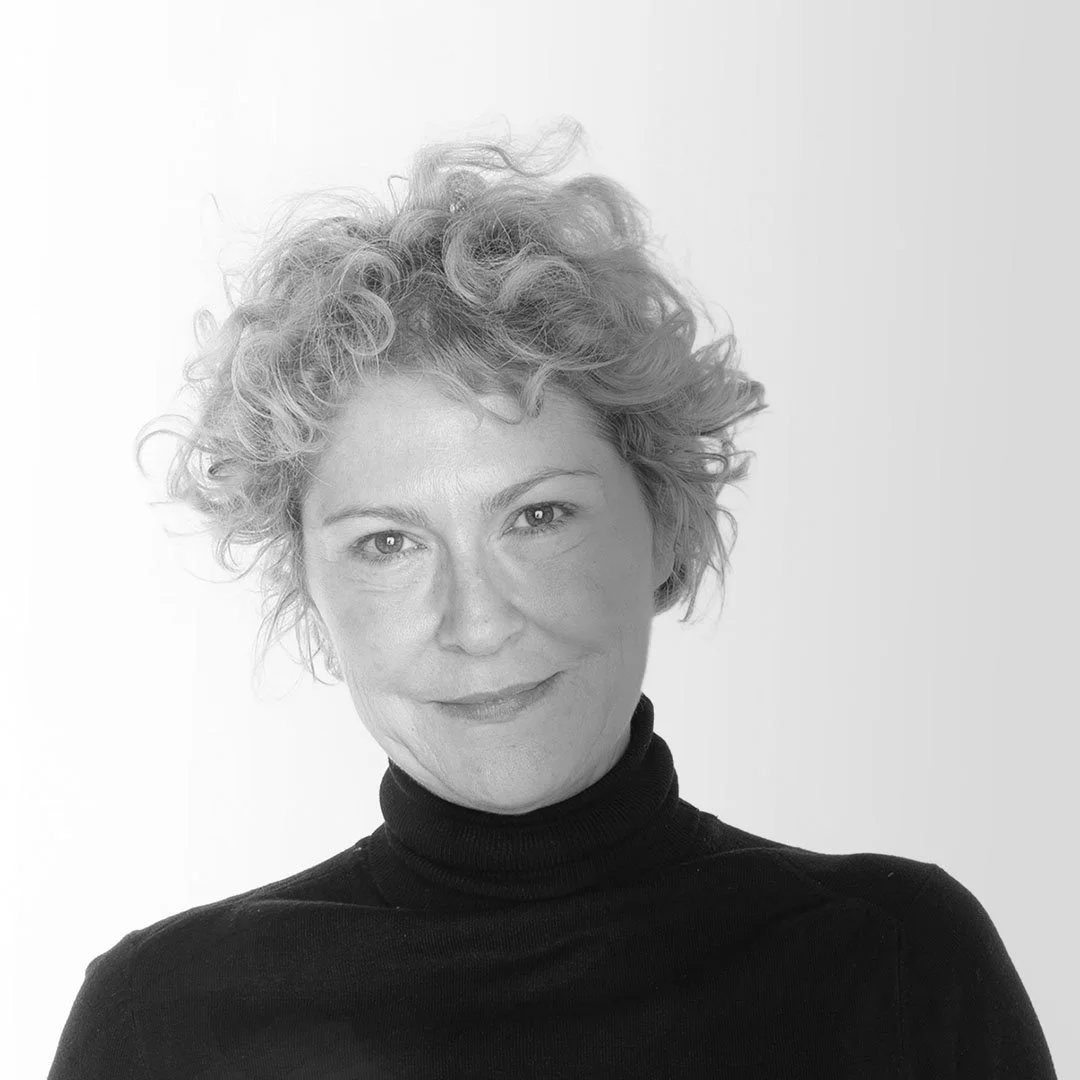
Assistant Professor, Co-Leader CBE Hub
TU Delft
Olga Iannou